city stories
For One Day, New Yorkers Become Each Other's Biggest Fans
Forget the elites. On November 1, two million people will line 26.2 miles to cheer for strangers, fifty years after the marathon first ran through all five boroughs.
The LovelyNYC Editors · October 19, 2026 · 5 min read
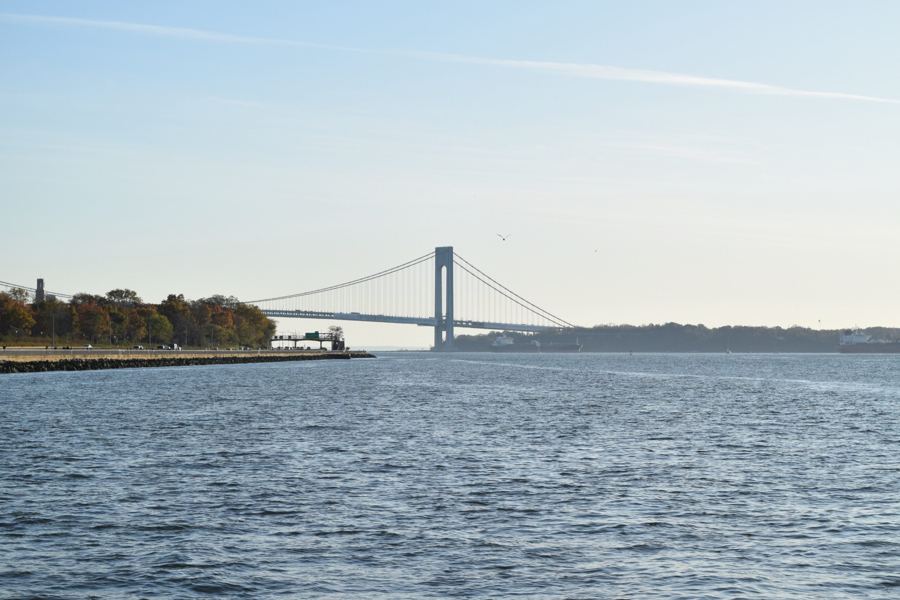
On Sunday, November 1, the morning after Halloween, the TCS New York City Marathon starts on Staten Island and finishes in Central Park, and the winners will be done before most of the city has finished breakfast. The wheelchair and professional fields start between 8 and 9:05am. Then the mass waves leave Staten Island until 11:30, and the day turns into something else.
Nearly 60,000 people run it, and New York Road Runners, the organizer, counts more than two million spectators along the route. Last year 59,226 people finished, a record for any marathon at the time, and 18,660 of them came from abroad, from 132 countries. Most of the people on the sidewalk will never know most of the people they cheer for, beyond the second it takes to read a name off a shirt. That is rather the point.
The etiquette of cheering for strangers
NYRR's spectator guide reads less like a rulebook than a lesson in manners. "All runners—not just yours—need and appreciate your encouragement," it says, and it tells spectators to read shirts and bibs and greet runners by name, number or country. Make signs, bring flags, cheer. Leave the amplifier at home: unofficial speakers aren't permitted.
The rest is about sharing a street: stay behind the blue tape, don't block anyone's front door, take your trash and your sign home, and leave the portable toilets to the runners.
Fifty years in five boroughs
The race didn't always leave the park. The first New York City Marathon, in 1970, was loops of Central Park with a $1 entry fee; 127 people registered and 55 finished.
In 1976, for the Bicentennial, the race went out into the city. On October 24 that year it ran through all five boroughs, with 2,090 entrants and 1,549 finishers, and the winners, Bill Rodgers and Miki Gorman, both broke the event records. NYRR is spending 2026 marking that anniversary. This year's finisher medal picks out the course's five bridges, and NYRR aims to raise more than $100 million for over 670 charity partners.
When the celebration began in February, NYRR's chief executive, Rob Simmelkjaer, said that for 50 years New Yorkers in all five boroughs have embraced runners from around the world on what has become the best day of the year in the city.
A course that changes accent every few miles
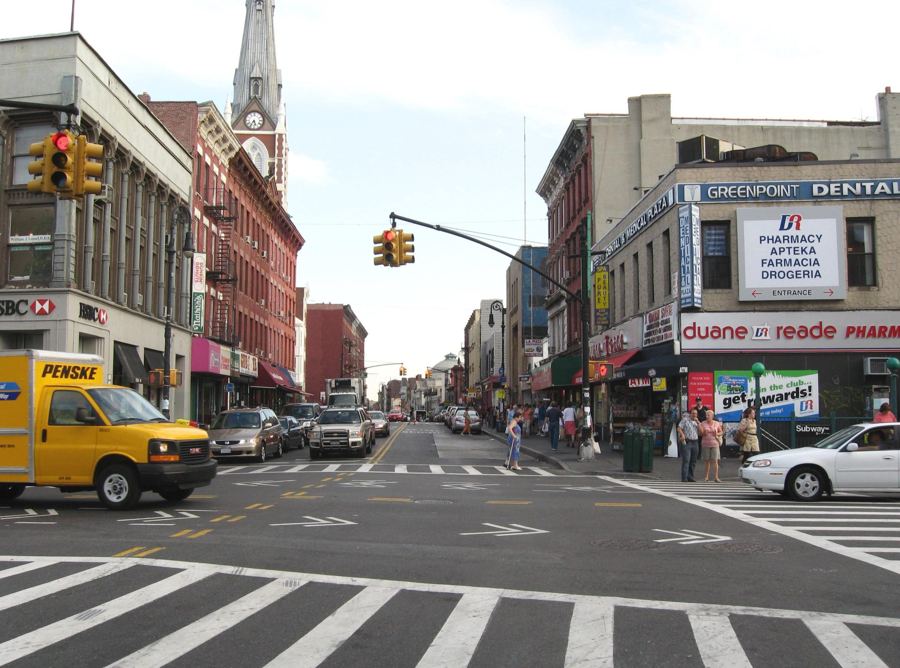
Nobody may watch at the start or on any of the course's bridges, so the first crowds runners meet are on Fourth Avenue, a long straight run north through Bay Ridge and Sunset Park. After mile 8 the course turns onto Lafayette Avenue, under the brownstones of Fort Greene and Clinton Hill. NYRR sends spectators to Williamsburg and Greenpoint for sidewalks lined with shops and restaurants, before the Pulaski Bridge carries the field into Long Island City at halfway.
Then comes the Queensboro Bridge, empty of spectators like every bridge on the route. It lets out onto First Avenue around mile 16, where DNAinfo once described the race's biggest and loudest crowds, standing several deep from 59th Street to 96th. NYRR, more soberly, notes that the avenue's bars and restaurants add to the festive atmosphere.
Above 96th Street the course runs through East Harlem, where NYRR holds a Charity Cheer Zone at First Avenue and 120th Street for runners raising money for its charity partners. The Willis Avenue Bridge takes the field into the Bronx at about mile 20, and Fifth Avenue from 105th Street down to 90th is the last place to catch runners before Central Park and the finish.
New this year: a straighter mile in the Bronx
The Bronx gets about a mile of the race, and this year that mile changes: the first course change in 15 years, meant, NYRR says, to minimize the race's impact on a neighborhood that has evolved over the past half-century.
Runners now stay on Alexander Avenue past East 138th Street, then take East 141st Street, Third Avenue and East 138th Street to the Madison Avenue Bridge. NY1 reported that the old loop along Morris Avenue, East 140th Street and Rider Avenue is gone. That leaves a few new blocks of Mott Haven to line.
The people in the vests
Some of the strangers stand on the other side of the tape. NYRR calls volunteering the best way to be part of the race without running 26.2 miles. Streets close early so staff and volunteers can set up medical tents and water stations; there are fluid tables on both sides of the road at most miles from 3 to 25, and medical volunteers at aid stations roughly every mile.
The slowest runners get company too: anyone behind a 16-minute-mile pace may be moved onto the sidewalk, where staff and volunteers support them, and everyone who finishes by 10pm counts as official. Schools, churches, clubs and companies that volunteer as a group earn guaranteed entries to the next year's race.
Where to watch, and where to eat after: Brooklyn and Queens
Our mile-by-mile marathon guide has the subway lines for every stretch. The simplest plan is two spots: Fourth Avenue early, then the R train north to see your runner again. Clocks fall back that morning, so even an early start comes with an extra hour.
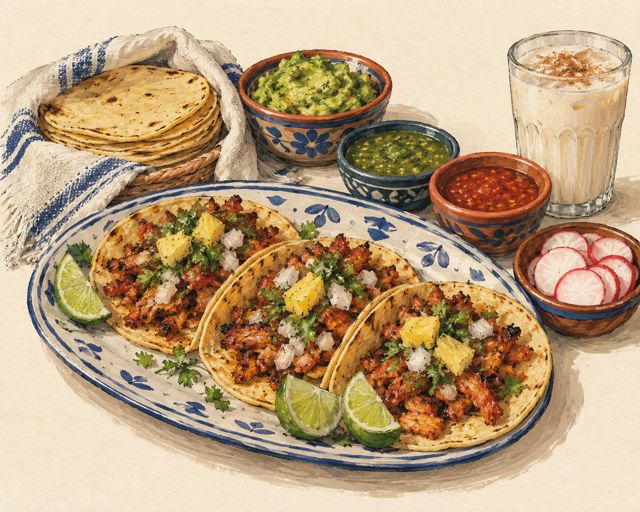
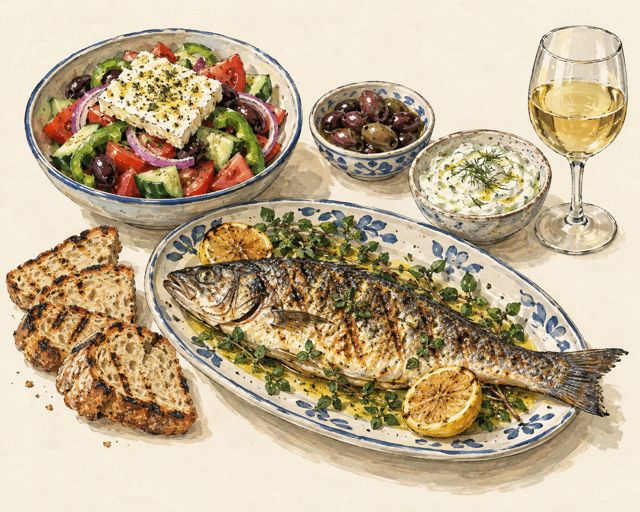
In Sunset Park, Don Pepe Tortas y Jugos is a block off the course on Fifth Avenue, serving cumin-spiced tacos árabes under walls of handwritten neon signs. Olea sits right on the route at Lafayette and Adelphi, a corner Mediterranean taverna whose weekend brunch is a Fort Greene habit. In Greenpoint the course passes Peter Pan Donut on Manhattan Avenue, frying since the early 1950s (get the sour cream glazed), and Lise & Vito, a walk-in natural wine bar on Nassau Avenue. In Long Island City, Casa Enrique cooks Mexican food rooted in Chiapas; book ahead.
 Illustration
SUNSET PARK, BROOKLYN
Don Pepe Tortas y Jugos
Cumin-spiced tacos árabes, tortas and fresh juices under the neon signs on Fifth Avenue.
Mexican · Hidden Gem · $
 Illustration
FORT GREENE, BROOKLYN
Olea
A corner Mediterranean taverna on Lafayette Avenue — Fort Greene's long-running weekend habit.
Mediterranean · Brunch · $$
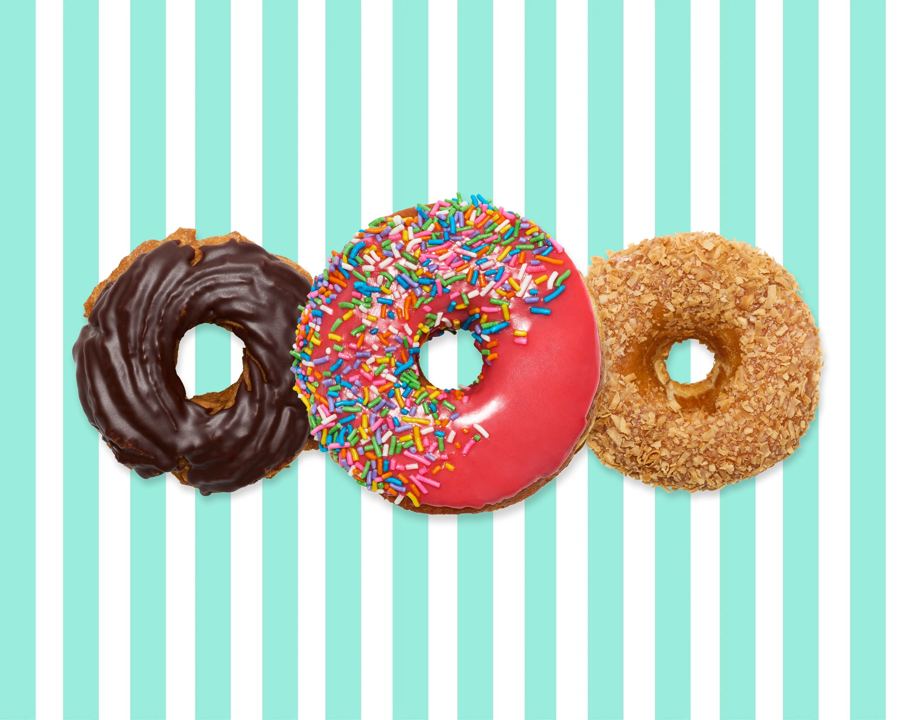
GREENPOINT, BROOKLYN
Peter Pan Donut & Pastry Shop
Counter stools, paper hats, and the borough's most loved donuts — Greenpoint since the 1950s.
Donuts · Bakery · $
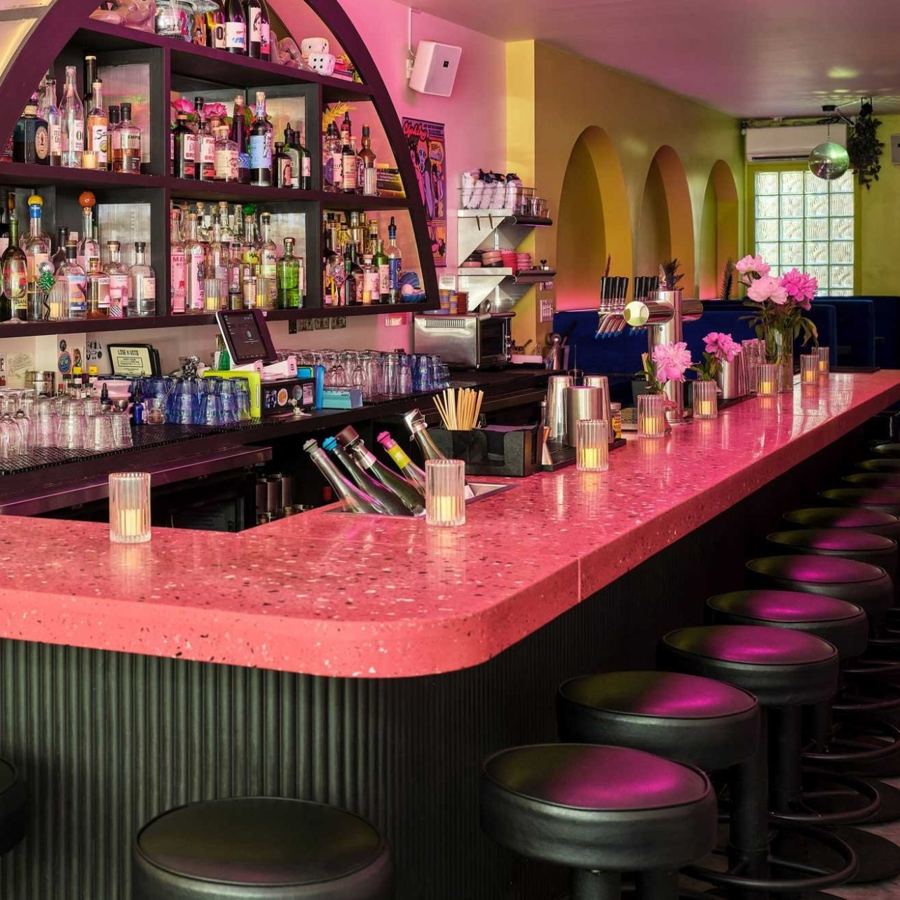
GREENPOINT, BROOKLYN
Lise & Vito
Natural wine, pink neon and a disco-ball bathroom — Nassau Avenue's late-night wine bar.
Wine Bar · Hidden Gem · $$
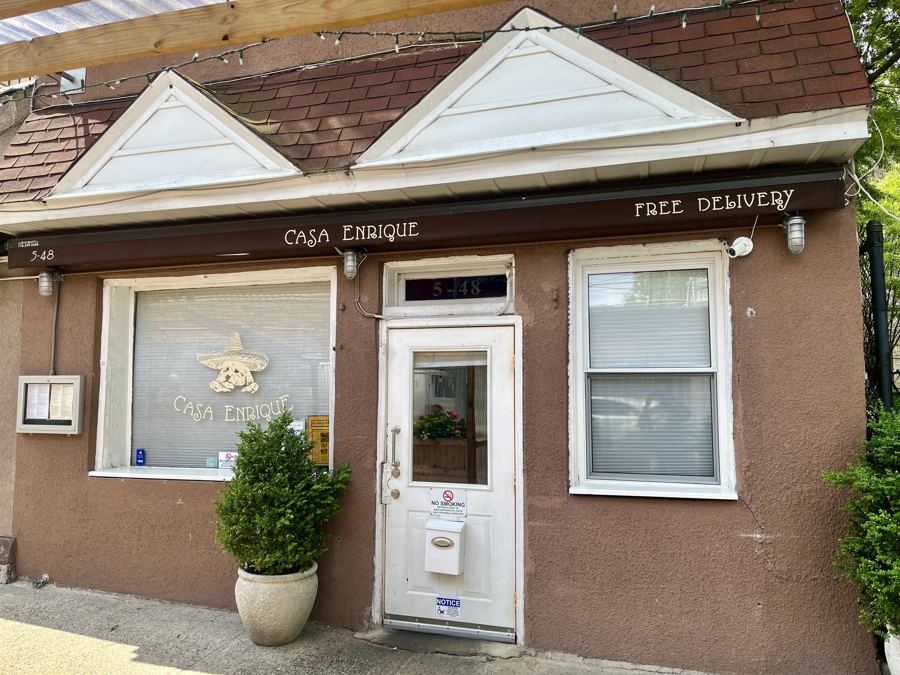
LONG ISLAND CITY, QUEENS
Casa Enrique
Michelin-starred Chiapas cooking in a quiet LIC storefront that never stopped being a neighborhood spot.
Mexican · Hidden Gem · $$$
Manhattan: First Avenue to Harlem
Lungi, on First Avenue near where runners come off the bridge, serves a banana-leaf thali on Sundays. Kaia, the South African restaurant that moved to First Avenue between 75th and 76th this year, lists a Marathon Sunday on its website, with boerewors rolls out front for people holding a spot at the barricade and a first drink on the house for finishers wearing their medal. Patsy's, the 1933 coal-oven pizzeria at 117th Street, is a few blocks below the Charity Cheer Zone and has a takeout window for a slice. Sylvia's, a block west of the Fifth Avenue stretch on Malcolm X Boulevard, has fed Harlem since 1962; its Sunday gospel brunch fills early, so reserve.
Streets along the course close in stages all day, so check the details with any restaurant before you go. And when you get to your spot, cheer for the people you don't know. They came a long way to hear it.
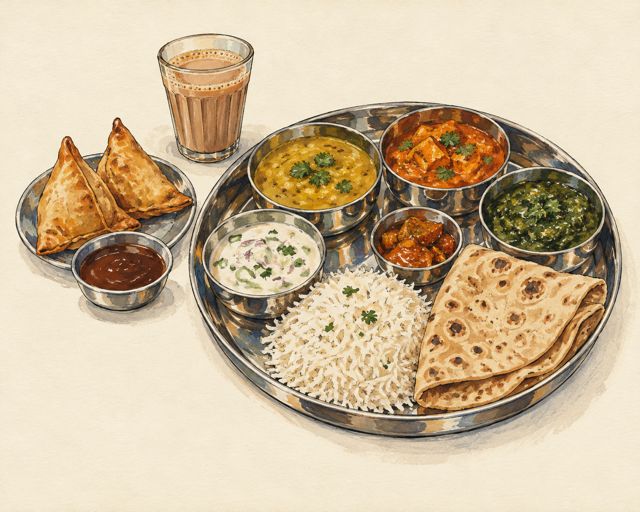 Illustration
UPPER EAST SIDE, MANHATTAN
Lungi
Sri Lanka and India's southern tip, on one banana leaf on First Avenue.
Sri Lankan · Date Night · $$
UPPER EAST SIDE, MANHATTAN
Kaia
New York's South African table, now on First Avenue — bobotie, malva pudding and Cape wine.
South African · Date Night · $$$
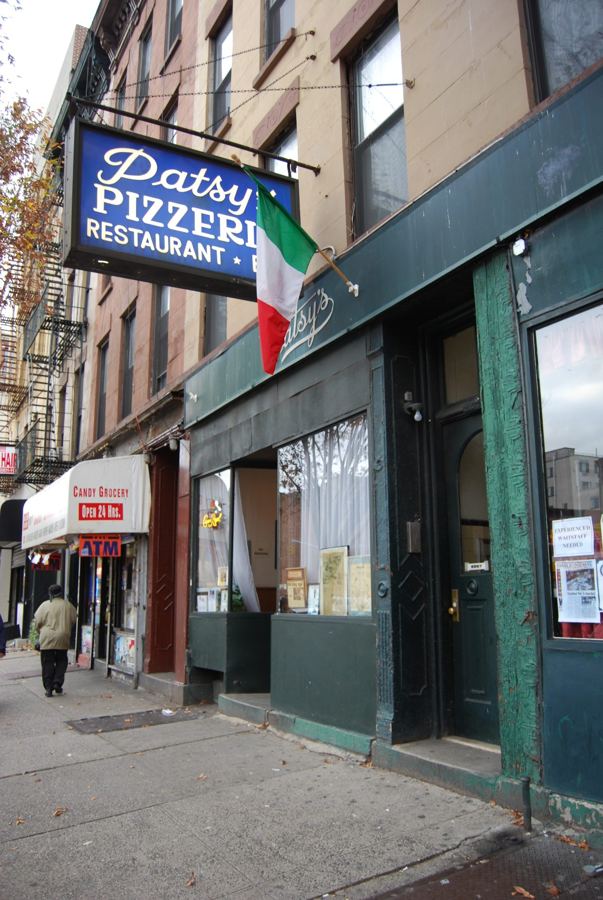
HARLEM, MANHATTAN
Patsy's Pizzeria (East Harlem)
The 1933 original — a coal-oven pizzeria in East Harlem that Sinatra called his own.
Pizza · Hidden Gem · $
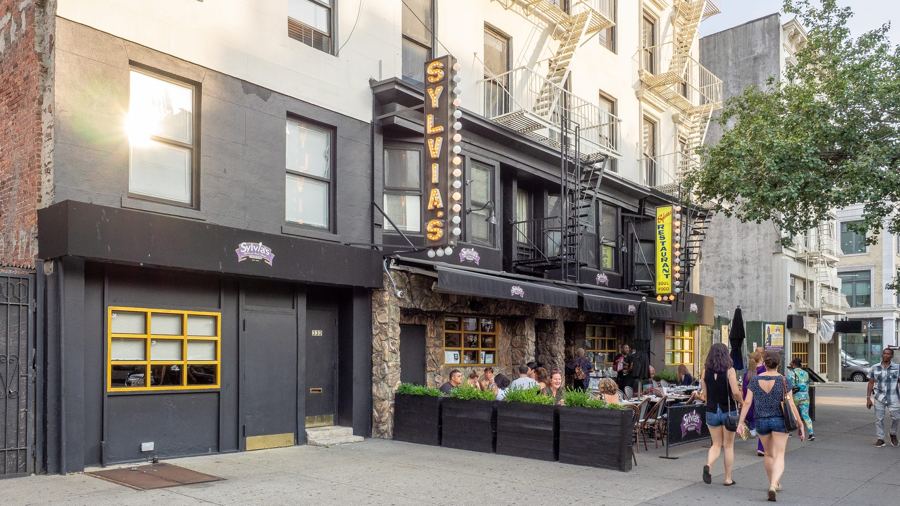
HARLEM, MANHATTAN
Sylvia's
The Woods family's soul-food landmark on Lenox Avenue, feeding Harlem since 1962.
Soul Food · Special Occasion · $$
Editorial draft — core details last reviewed October 19, 2026. Confirm practical details with the official site before you go.
Good to know
For One Day, New Yorkers Become Each Other's Biggest Fans, answered
Does it cost anything to watch the NYC Marathon?
No. Most of the course, from mile 3 to mile 26, is open to spectators for free. You can't watch at the Staten Island start or on any of the bridges, and the East Side Grandstand near the finish is the one ticketed area. Source
What is different about the 2026 course?
A short stretch in the Bronx, between the Willis Avenue and Madison Avenue Bridges, now runs straight up Alexander Avenue to East 141st Street and Third Avenue before turning onto East 138th Street. It is the first course change in 15 years. Source
Why is 2026 an anniversary year?
The marathon first ran through all five boroughs on October 24, 1976, to celebrate the Bicentennial. Before that it was run in loops of Central Park. NYRR is marking the 50th anniversary of the five-borough course all year. Source
More like this
Get the Lovely Letter
A free weekly letter: new restaurants and bars, the week's concerts and events, and one lovely day in New York.
Keep reading
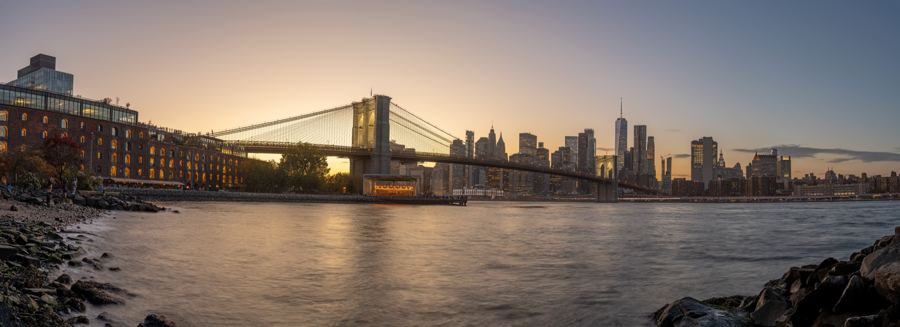
weekend
A Lovely Weekend in New York
Two days, one city, and no agenda beyond good coffee, long walks, and the kind of evenings New York does better than anywhere else.
October 11, 2026 · 9 min read
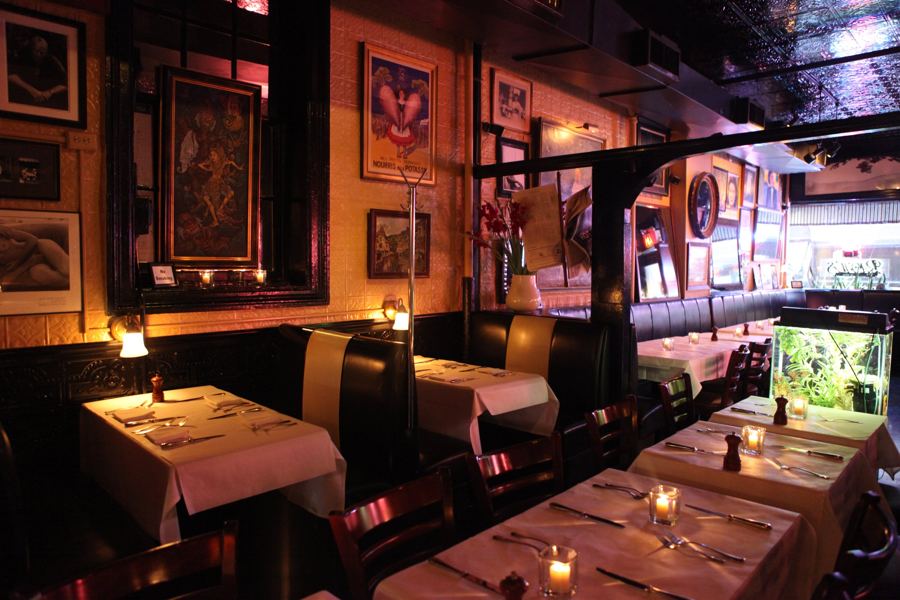
food drink
New York Restaurants, Through Their Own Lens
Twenty-one New York restaurants have now sent us their own photographs. Here are fifteen of them, and what to order when you go.
October 14, 2026 · 6 min read