neighborhoods
Where to Stay in New York: Choosing Your Neighborhood
The right hotel matters less than the right neighborhood. Here is how each part of the city feels to wake up in, and who it suits.
The LovelyNYC Editors · October 16, 2026 · 8 min read
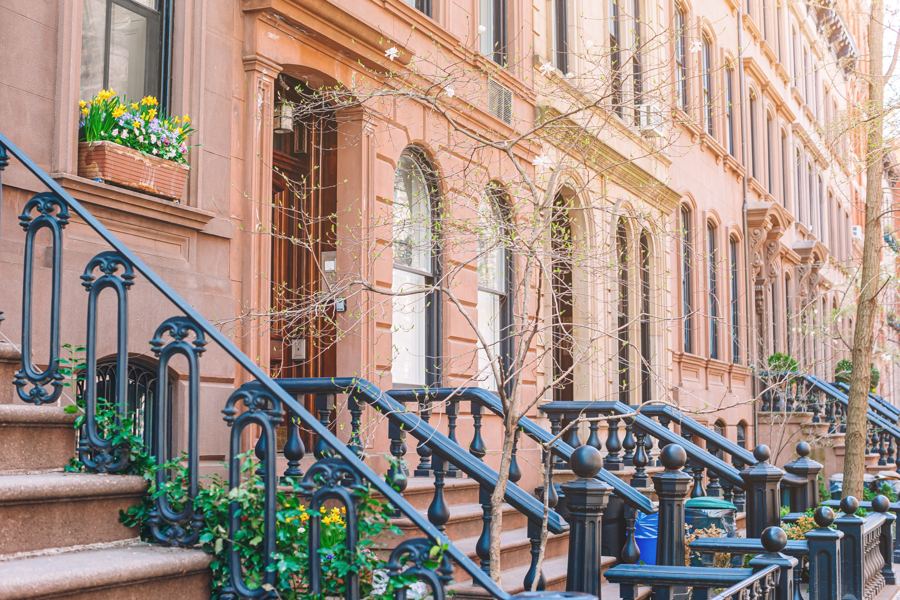
First, think in subway lines, not miles
New York is small on a map and large on foot. What makes a neighborhood convenient is not how close it looks to Times Square but how many subway lines stop nearby. A room two blocks from a station served by several lines will get you almost anywhere in half an hour; a room in a prettier corner with one slow line can turn every outing into a trek.
So before falling for a lobby, check the nearest station and which lines it serves. Then decide what you want your mornings and evenings to feel like, because that is what a neighborhood really sells you: the walk to coffee, the street outside your window at night, and how far you are from the places you came to see.
Midtown: the easy choice for a first visit
Midtown puts you within walking distance of Times Square's theaters, Rockefeller Center, Grand Central and Bryant Park, with more subway lines than anywhere else in the city. For a short first trip with a long list, that convenience is hard to beat.
The trade-off is character. Midtown empties of neighborhood life at night outside the theater blocks, and the streets around Times Square are crowded at every hour. Choose a hotel on a quieter side street, toward Bryant Park or the East Side, and you get the convenience without living inside the crowd.
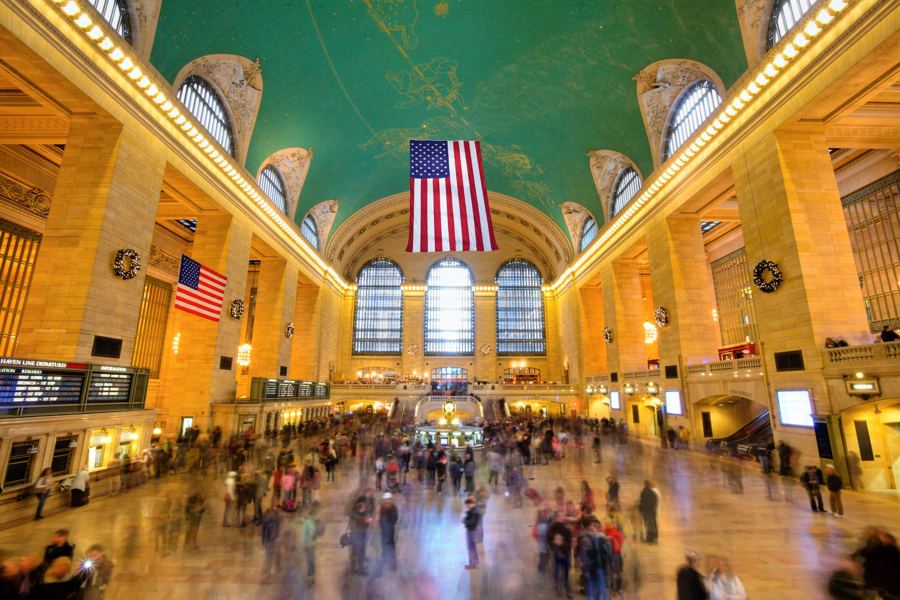
MIDTOWN, MANHATTAN
Grand Central Terminal, Main Concourse
A backwards zodiac, an opal clock, and the landmark fight that saved the city's face.
Architectural Gem · Free
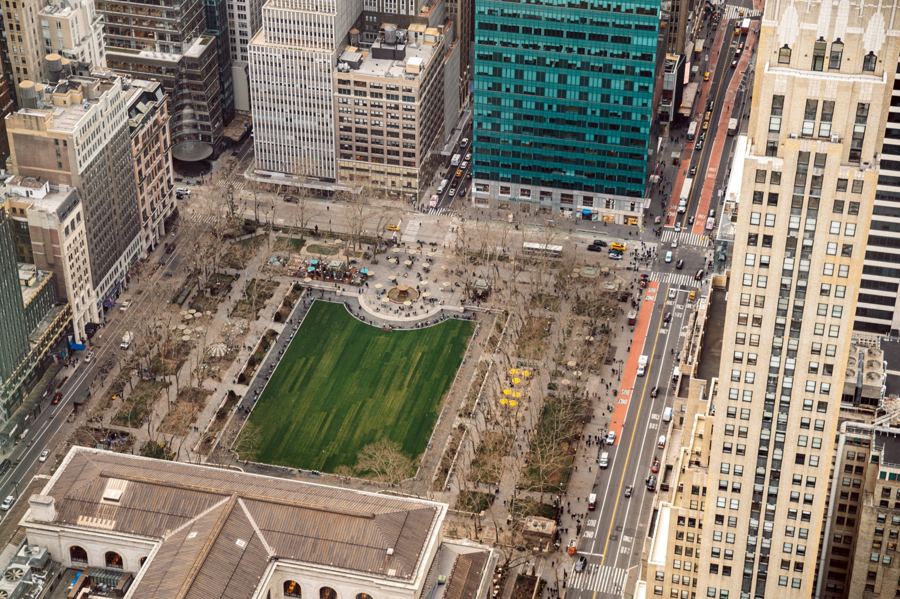
MIDTOWN, MANHATTAN
Bryant Park
A formal French garden on the roof of the library's stacks, furnished with ten thousand movable chairs.
Park & Garden · Free
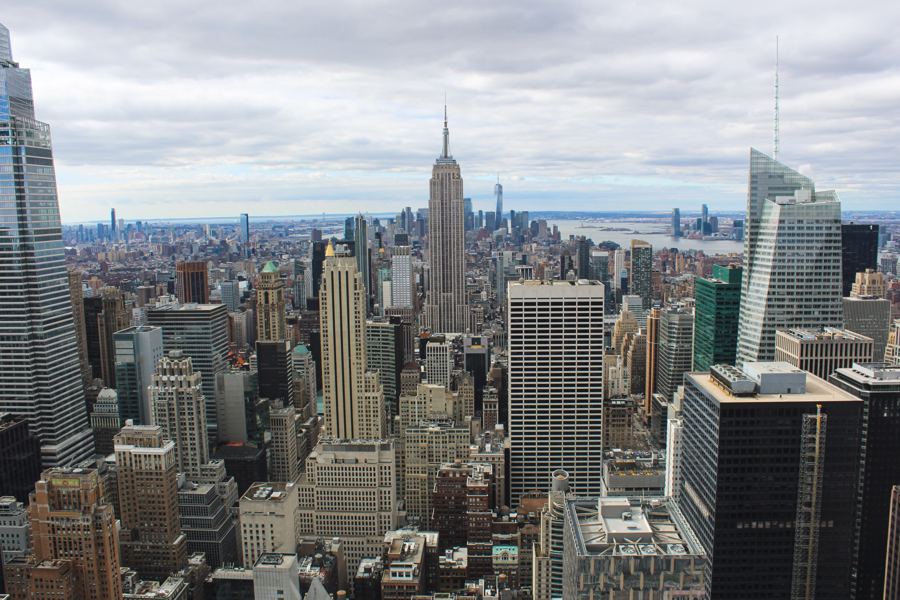
MIDTOWN, MANHATTAN
Top of the Rock
The deck where the Empire State Building and Central Park both line up correctly.
Scenic View · $$$
Greenwich Village and the West Village: the New York of the movies
If your picture of New York is brick rowhouses, crooked streets and a different café on every corner, stay here. The Village is the city's best neighborhood to simply walk out the door into: Washington Square Park for the morning, the old streets west of Seventh Avenue for the afternoon, and more good restaurants per block than you will get through in a week.
It is quieter at night than downtown's nightlife districts, though Bleecker and MacDougal stay lively. Rooms here are fewer and tend to cost more, and some streets are a walk from the nearest subway, so check before you book.
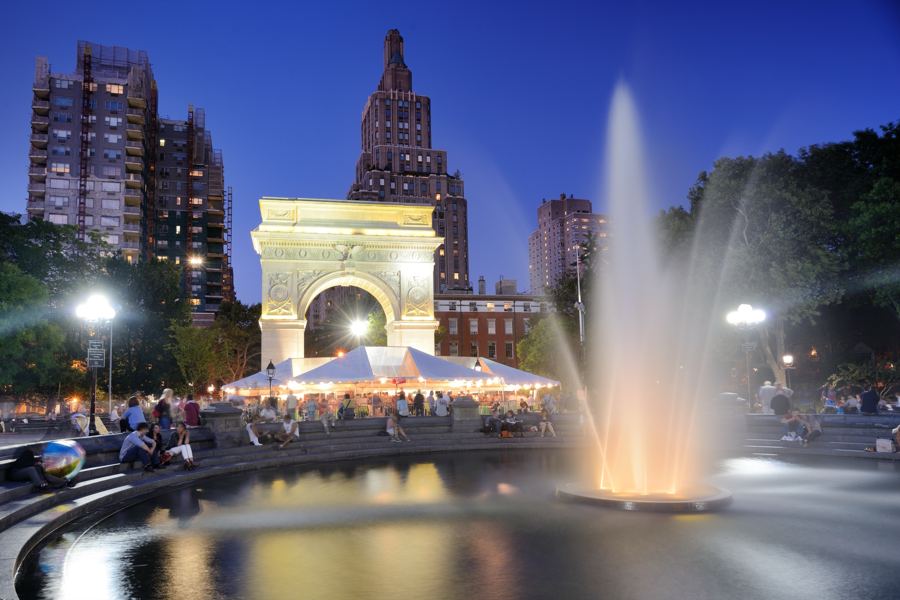
GREENWICH VILLAGE, MANHATTAN
Washington Square Park
The Village's marble-arched front room, where Fifth Avenue ends and the show begins.
Park & Garden · Free
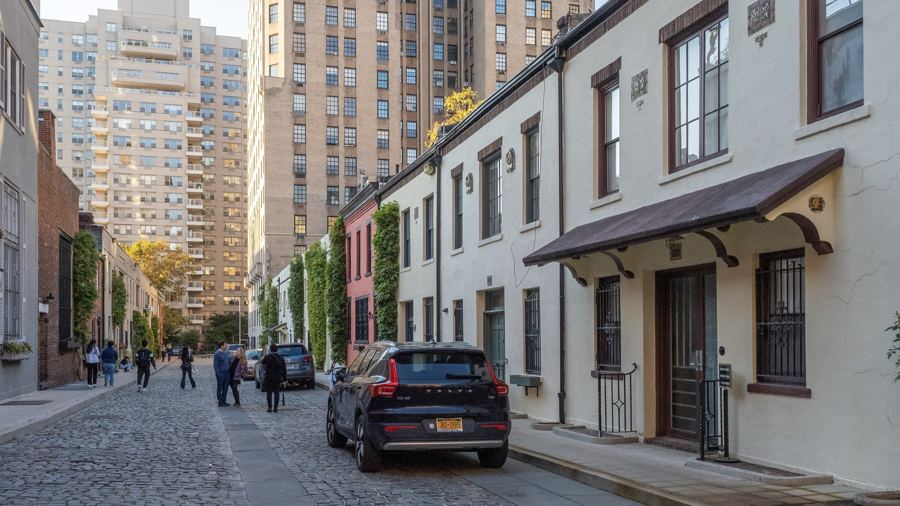
GREENWICH VILLAGE, MANHATTAN
Washington Mews
A cobbled stable lane the city grew around and never got around to demolishing.
Hidden Corner · Free
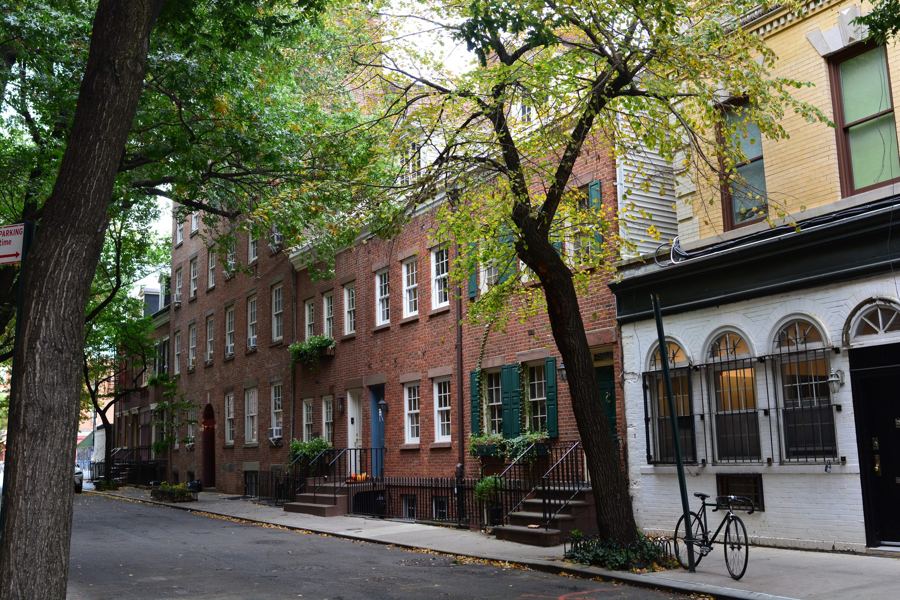
WEST VILLAGE, MANHATTAN
Commerce Street
A bent, traffic-forgotten lane with a century-old playhouse tucked into the elbow.
Beautiful Street · Free
SoHo and Tribeca: cast iron and boutique hotels
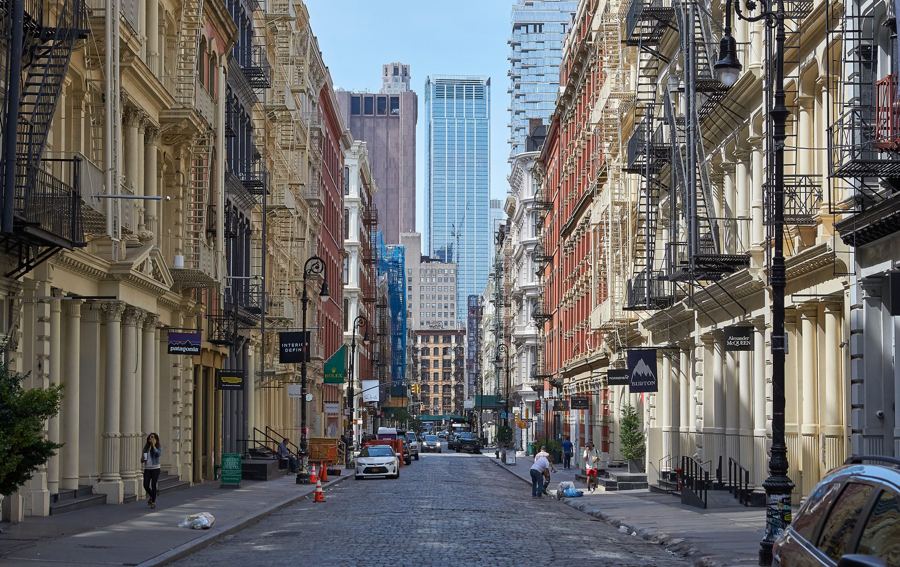
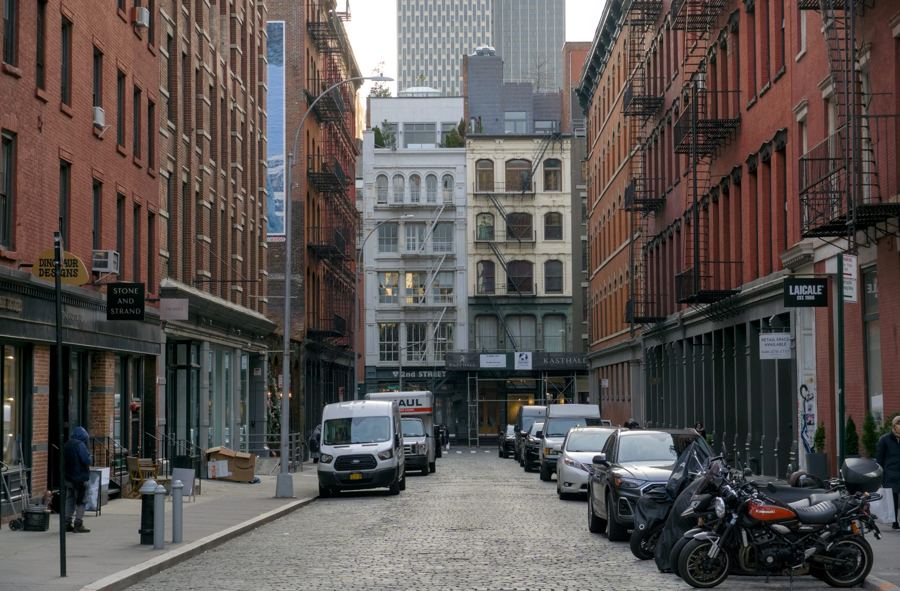
SoHo's cobblestones and cast-iron facades make it the city's shopping district, busy by day and calmer after the stores close. Tribeca, just south, is quieter still: wide old warehouse streets, serious restaurants and some of the city's most polished small hotels.
Both are central, well served by the subway, and easy walking distance to the Village, Chinatown and the Hudson River waterfront. Expect to pay for the polish.
The Lower East Side and East Village: for night owls and eaters
Stay here if your trip is built around food and evenings. The Lower East Side mixes old institutions like Katz's and Russ & Daughters with cocktail bars and late-night restaurants; the East Village adds St. Marks Place, Tompkins Square Park and a dense grid of cheap, good places to eat.
It can be loud on weekend nights, especially near the bar streets, so ask for a room away from the street if you sleep lightly. The payoff is that you will never have to travel far for dinner.
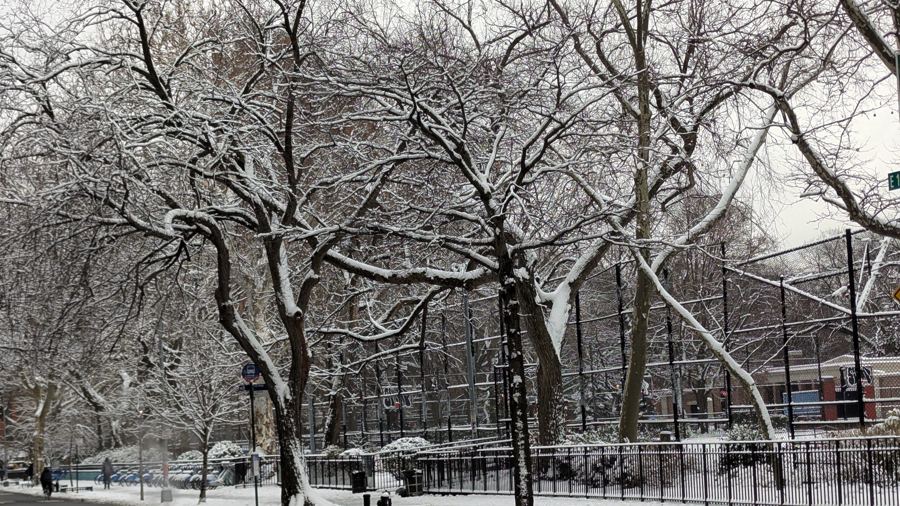
EAST VILLAGE, MANHATTAN
Tompkins Square Park
The East Village's shaggy living room, under some of Manhattan's oldest elms.
Park & Garden · Free
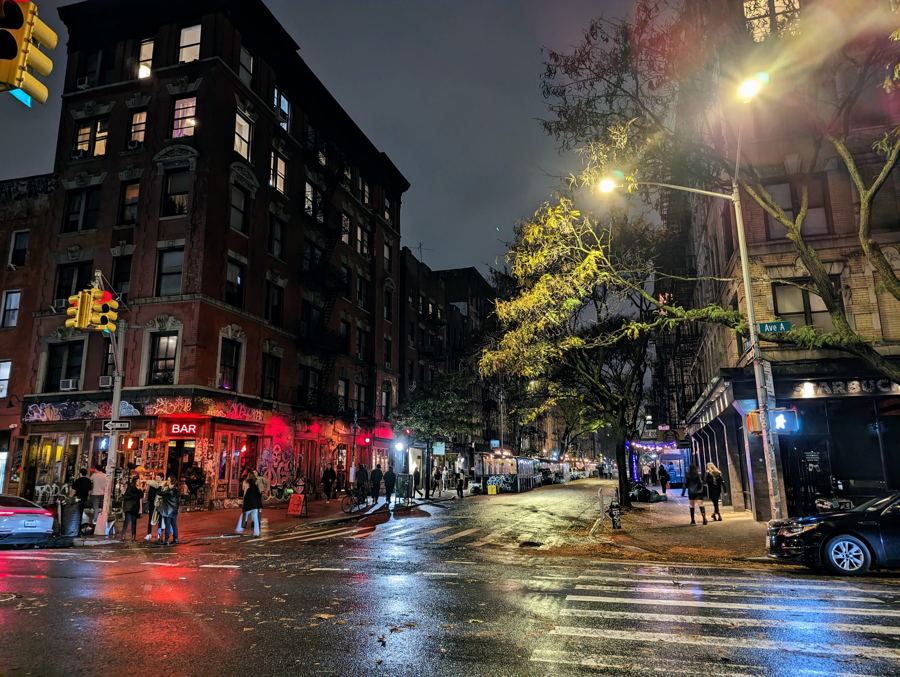
EAST VILLAGE, MANHATTAN
St. Marks Place
Three loud, layered blocks where the East Village keeps its receipts.
Beautiful Street · Free
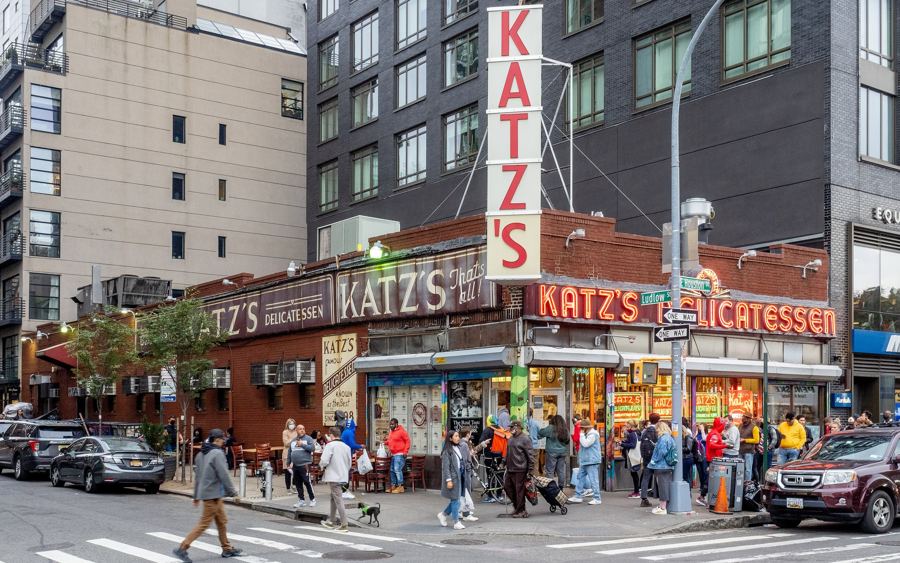
LOWER EAST SIDE, MANHATTAN
Katz's Delicatessen
The Lower East Side's 1888 deli — house-cured pastrami on rye, hand-carved at the counter.
Jewish Deli · Hidden Gem · $$
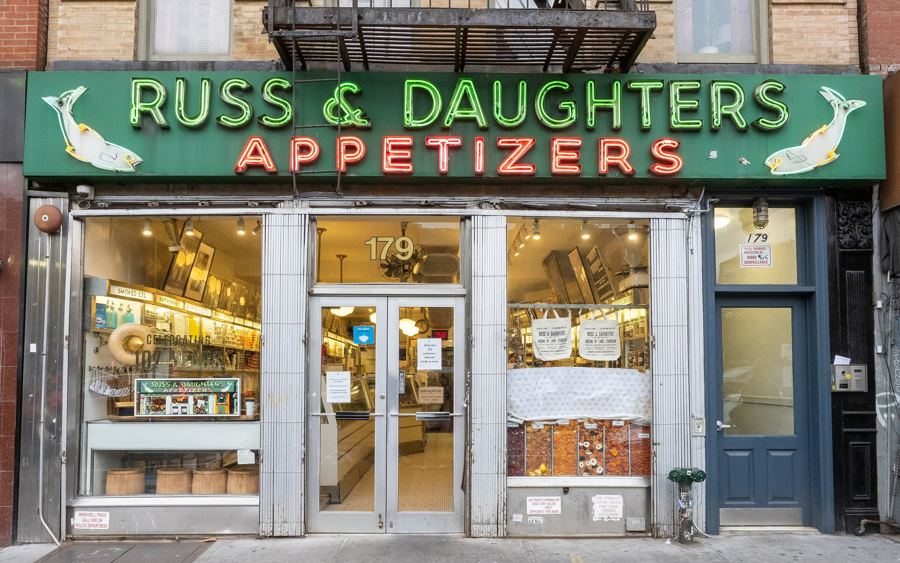
LOWER EAST SIDE, MANHATTAN
Russ & Daughters
The 1914 appetizing counter on Houston Street — take a number and order the Classic.
Jewish Deli · Bakery · $$
The Upper West Side and Upper East Side: museums and Central Park
The two neighborhoods on either side of Central Park are calmer, more residential and good for families or slower trips. The Upper East Side puts the Met and Museum Mile at your door; the Upper West Side has the American Museum of Natural History, Zabar's and Riverside Park.
Mornings in the park are the reward. Evenings are quieter than downtown, and the ride to lower Manhattan takes longer, so this suits travelers who would rather spend their days among museums and trees than in bars.
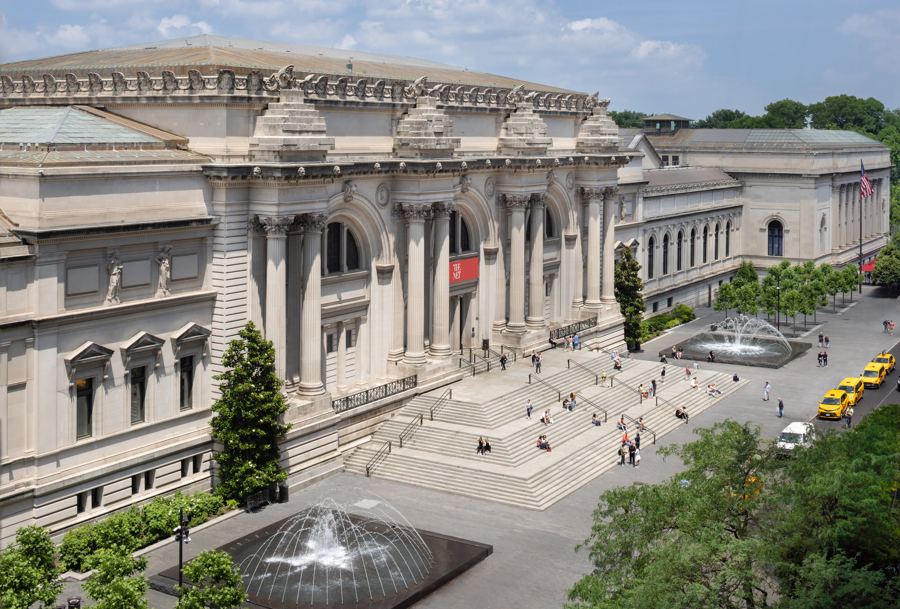
UPPER EAST SIDE, MANHATTAN
The Metropolitan Museum of Art
Five thousand years of making, walled up along Fifth Avenue.
Museum & Gallery · $$
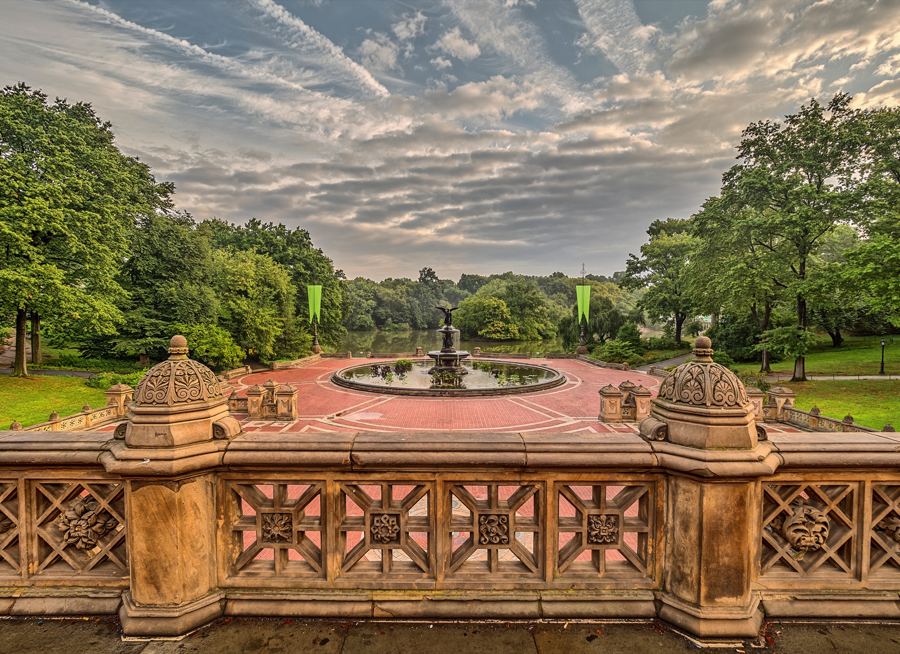
UPPER WEST SIDE, MANHATTAN
Bethesda Terrace & Fountain
The Angel, the Lake, and a tiled arcade built for echoes — the park's grand heart.
Romantic Spot · Free
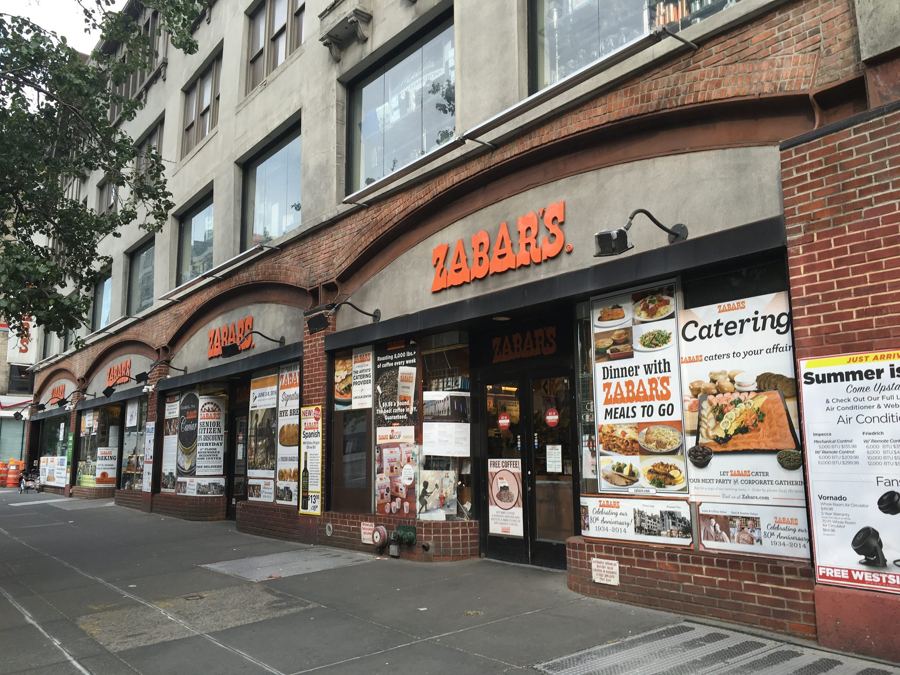
UPPER WEST SIDE, MANHATTAN
Zabar's
Lox sliced by hand since 1934, coffee roasted on-site, and a legendary housewares mezzanine.
Shopping · Free
Brooklyn: DUMBO, Brooklyn Heights and Williamsburg
DUMBO and Brooklyn Heights sit at the foot of the Brooklyn Bridge, with the best views of the Manhattan skyline anywhere and a quick ride into lower Manhattan. They are calm at night and lovely in the morning, especially along the Brooklyn Heights Promenade.
Williamsburg is livelier: bars, music venues, vintage shops and a waterfront park facing Midtown. It is one subway stop on the L from Manhattan's East Village, which makes it an easy base for travelers who want Brooklyn's energy without feeling far away.
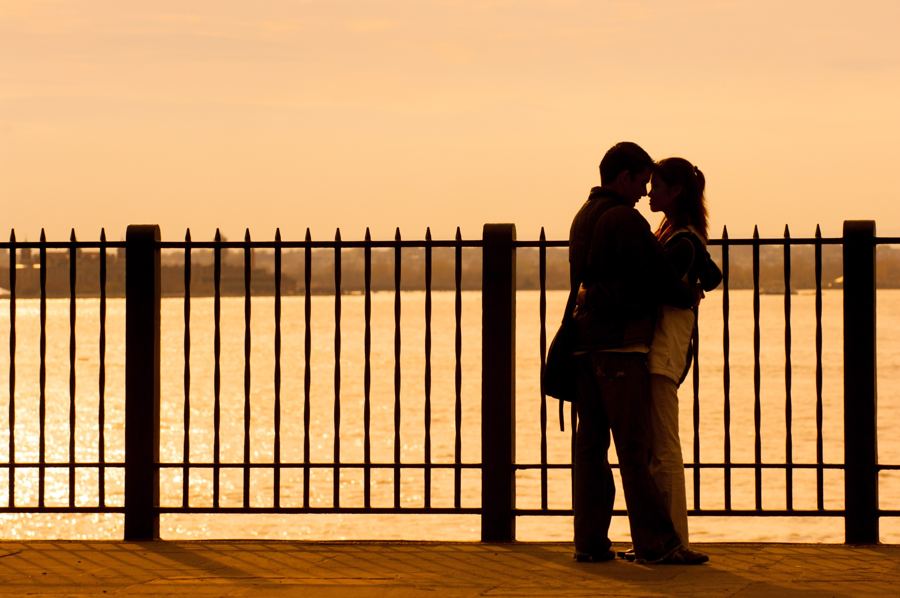
BROOKLYN HEIGHTS, BROOKLYN
Brooklyn Heights Promenade
Manhattan at exactly the right distance, from a terrace floating over the BQE.
Scenic View · Free
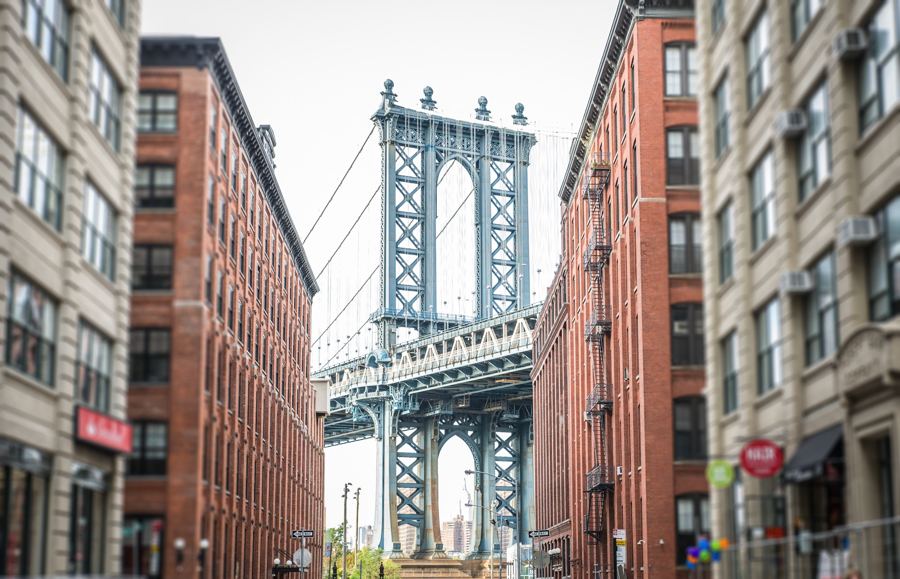
DUMBO, BROOKLYN
Washington Street
The bridge-framed block that made DUMBO's name — and it looks exactly as advertised.
Photography Location · Free
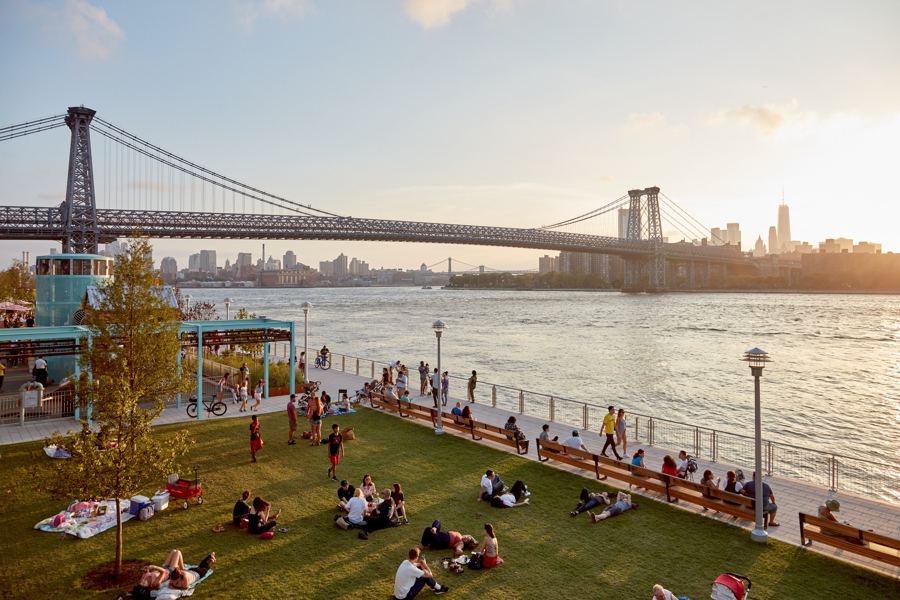
WILLIAMSBURG, BROOKLYN
Domino Park
A sugar refinery's riverfront, kept crane-and-tank intact and handed to the neighborhood.
Waterfront · Free
Long Island City: the skyline view, one stop from Midtown
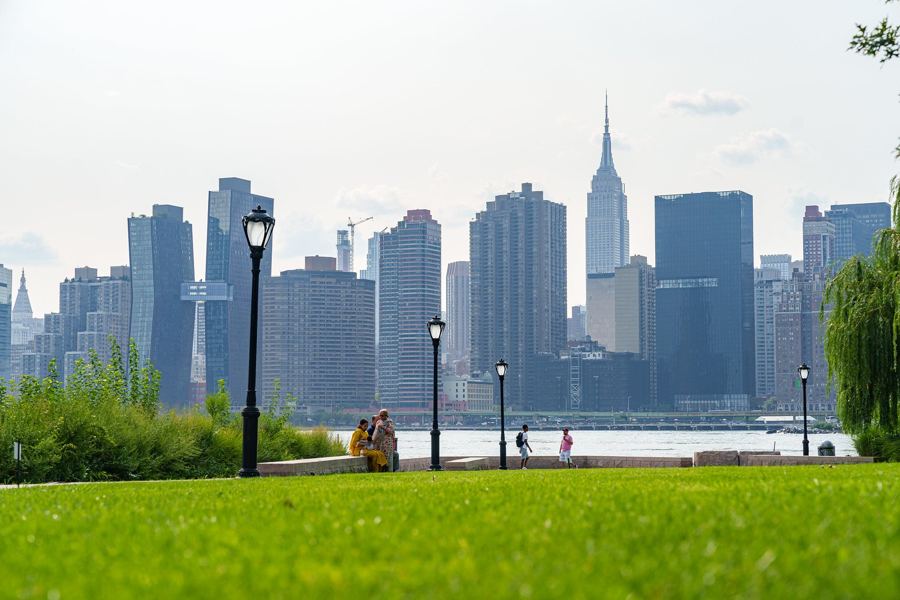
Just across the East River in Queens, Long Island City has become a hotel district of its own. Several subway lines reach Midtown in a stop or two, rooms tend to cost less than comparable ones in Manhattan, and the waterfront at Gantry Plaza State Park looks straight at the Midtown skyline.
It is quieter and less charming on its inland blocks, but for a value-minded trip that still keeps Manhattan close, it is one of the smartest bases in the city.
Editorial draft — core details last reviewed October 16, 2026. Confirm practical details with the official site before you go.
More like this
Get the Lovely Letter
A free weekly letter: new restaurants and bars, the week's concerts and events, and one lovely day in New York.
Keep reading
weekend
Three Days in New York: A First-Timer's Plan
The bridge, the park, the Village. Three days that cover the essentials without turning your trip into a checklist.
October 16, 2026 · 9 min read
weekend
A Lovely Weekend in New York
Two days, one city, and no agenda beyond good coffee, long walks, and the kind of evenings New York does better than anywhere else.
October 11, 2026 · 9 min read