Bronx
Parkchester
A 1940s brick city of terra-cotta figures, ringed by Bangla Bazaar and Mexico City burritos.
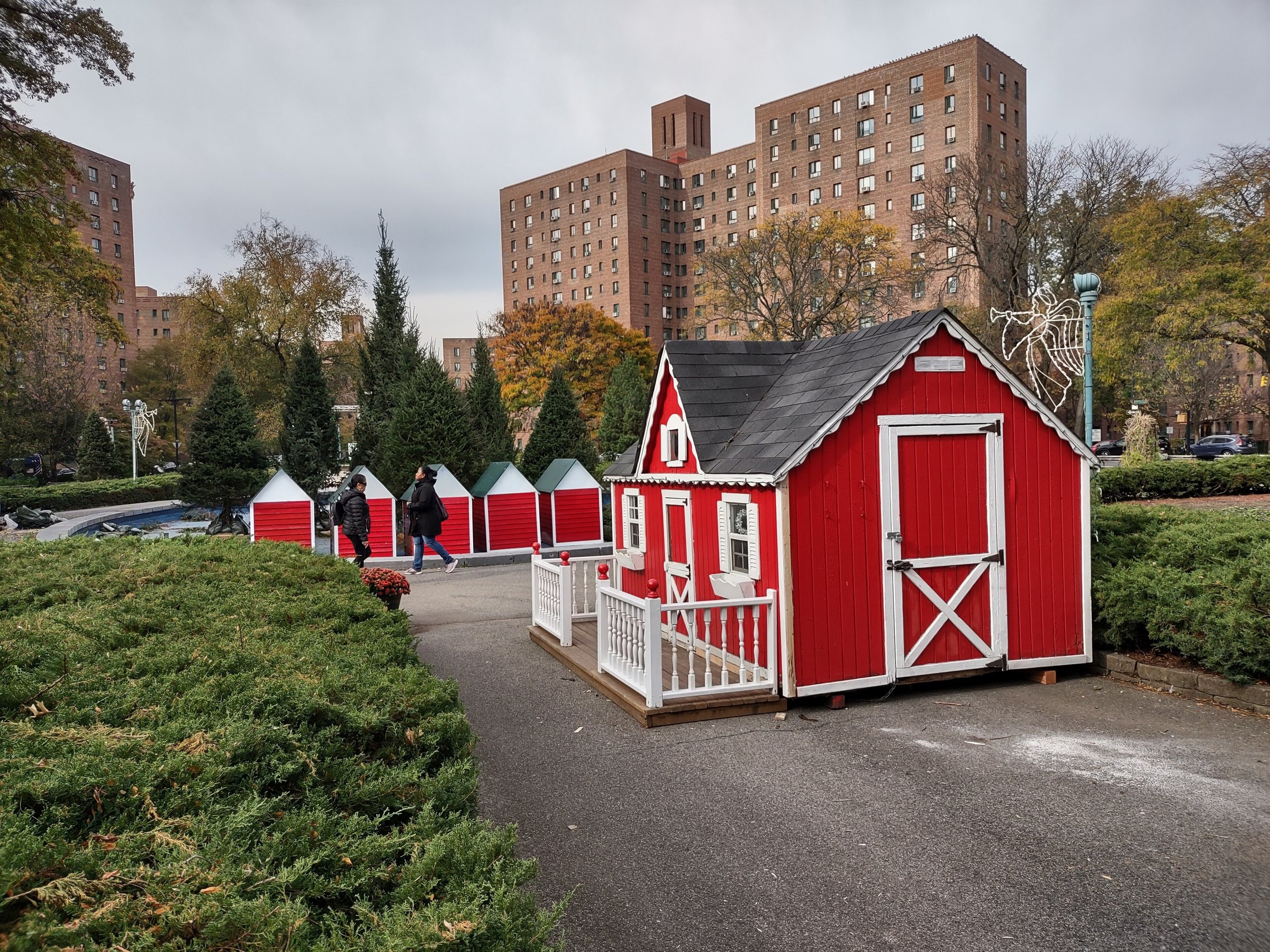
Photo: Jim.henderson · CC BY-SA 4.0, via Wikimedia Commons
Parkchester was built all at once. Between 1939 and 1942 the Metropolitan Life Insurance Company raised a planned city of 171 red-brick buildings around lawns, curving paths and a central oval with a fountain — homes for some twelve thousand families. Look closely at the walls and you will find hundreds of small terra-cotta figures and plaques: animals, musicians, athletes, set into the brick by a team of sculptors.
Around the edges of the complex, the neighborhood has become something MetLife never planned. Starling and Castle Hill Avenues hold Bangla Bazaar, a dense run of Bangladeshi groceries, sweet shops and steam-table restaurants, and Mexican kitchens have been part of the same blocks for two decades. Under the elevated 6 on Westchester Avenue, a taqueria serves weekend barbacoa to a line of neighbors.
It is an easy place to eat cheaply and well: samosas from a fresh tray, a burrito the size of a small pet, a molcajete bubbling on the table. Walk the oval afterward, and look up at the terra-cotta.
171 brick buildings and a fountain oval from 1939–42
Terra-cotta animals and figures set into the walls
Bangla Bazaar on Starling and Castle Hill Avenues
Burritos, barbacoa and steam-table curries under the 6
Local notes
The terra-cotta of Parkchester
The complex holds about 500 terra-cotta statuettes and 600 plaques made by nine sculptors, among them Joseph Kiselewski and Raymond Granville Barger. Barger also made Fantasia, the fountain installed in 1941 in the central oval, now named Aileen B. Ryan Oval.
Bangla Bazaar
The blocks around Starling Avenue, Olmstead Avenue and Castle Hill Avenue are lined with Bangladeshi-owned groceries, sweet shops and restaurants. Evenings — and every night during Ramadan — are the busiest, with families shopping and eating after iftar.
Through the lens
Walk the oval in morning light for the fountain and the brick facades; get close to the corners and entrances to find the terra-cotta figures. Starling Avenue is a busy shopping street — colorful signage and produce displays, best photographed in the early evening glow, with permission when people are the subject.
Editorial draft — core details last reviewed October 19, 2026. Confirm practical details with the official site before you go.
Where to eat & drink
PARKCHESTER, BRONX
Taqueria Tlaxcalli
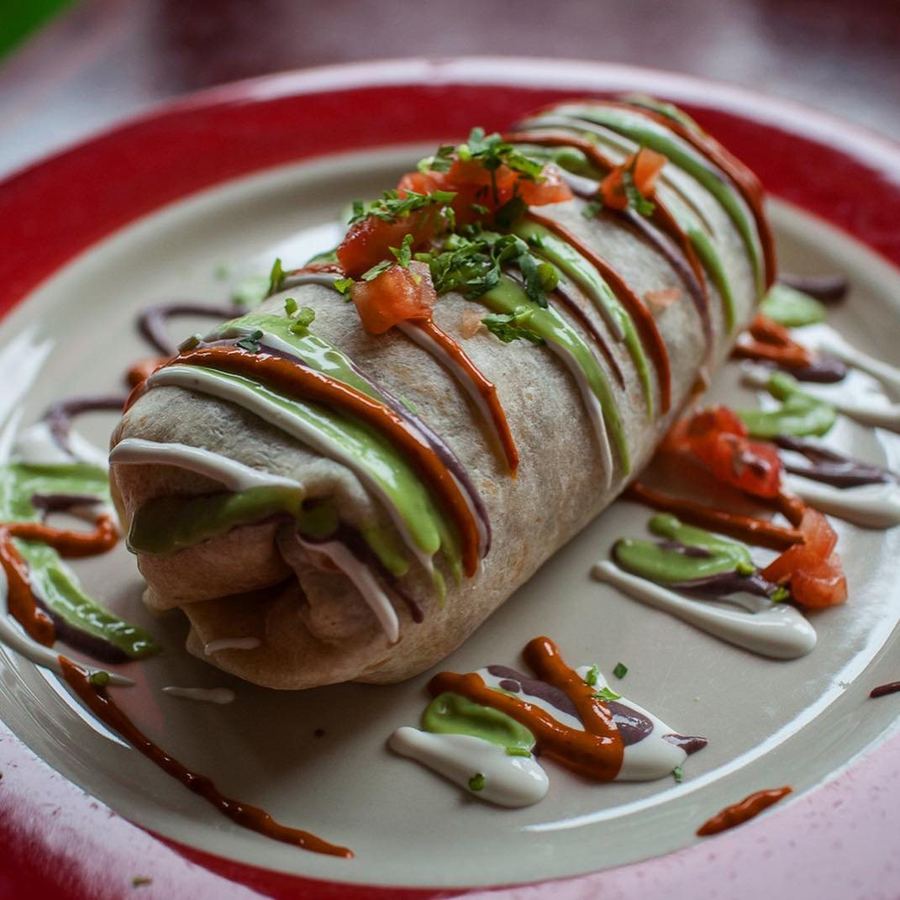
Mexico City cooking in Parkchester's Bangla Bazaar since 2006 — enormous burritos, fried chimichangas and a bubbling molcajete.
Mexican · Hidden Gem · $$
 Illustration
PARKCHESTER, BRONX
Taqueria El Chiltepin
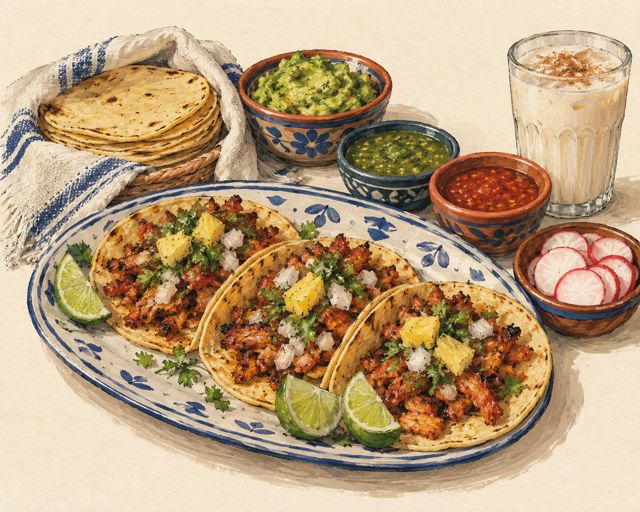
A warm, loud taqueria under the 6 at Castle Hill Avenue — weekend barbacoa with fresh tortillas, and specials like crab chilpachole.
Mexican · Brunch · $$
 Illustration
PARKCHESTER, BRONX
Al-Aqsa Restaurant
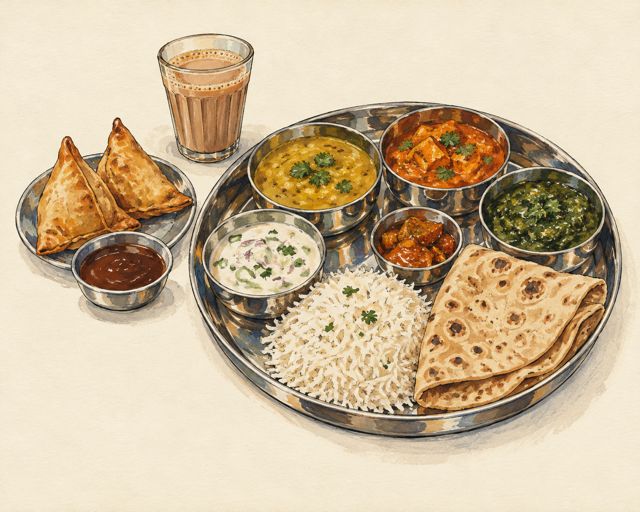
A busy steam-table kitchen in Parkchester's Bangla Bazaar — ruhi fish curry, beef tehari, hot samosas and a cold mango lassi.
Bangladeshi · Hidden Gem · $