city stories
Ride New York's First Subway, 122 Years Later
On October 27, 1904, the city went underground for the first time. Almost the whole original line still runs, and for one fare you can ride it end to end, past ghost stations, ceramic beavers and a mayor's joyride.
The LovelyNYC Editors · October 23, 2026 · 6 min read
On the afternoon of October 27, 1904, Mayor George McClellan was handed a ceremonial silver controller at City Hall station and asked to start New York's first subway train, then pass the controls to a motorman. He didn't. He kept driving, all the way to 103rd Street.
That evening the line opened to the public, and more than 100,000 people paid a nickel to try it on the first day. It ran 9.1 miles, with 28 stations, from City Hall under Park Avenue South to Grand Central, west under 42nd Street to Times Square, and up Broadway to 145th Street.
Here is the remarkable part: almost all of it still runs. With one fare and two free transfers, you can ride the original route in about an hour, and the city has left clues from 1904 along the way, if you know where to look.
1. Start at the ghost: City Hall
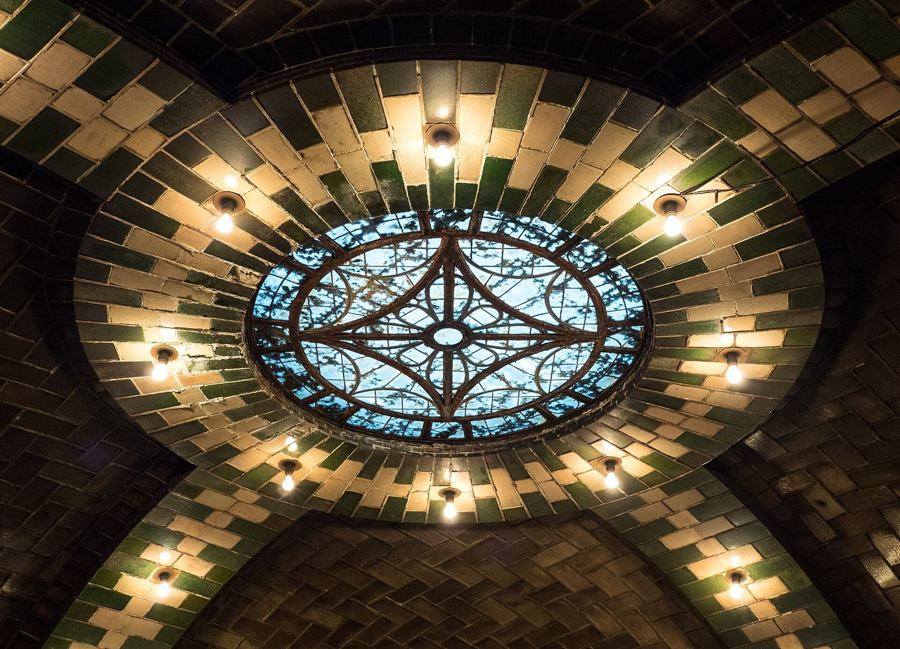
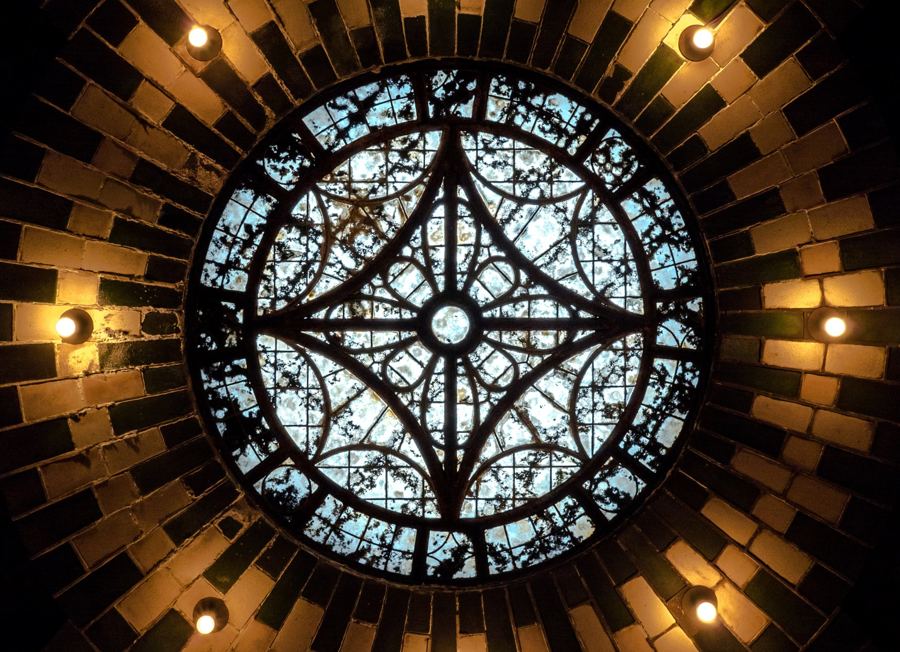
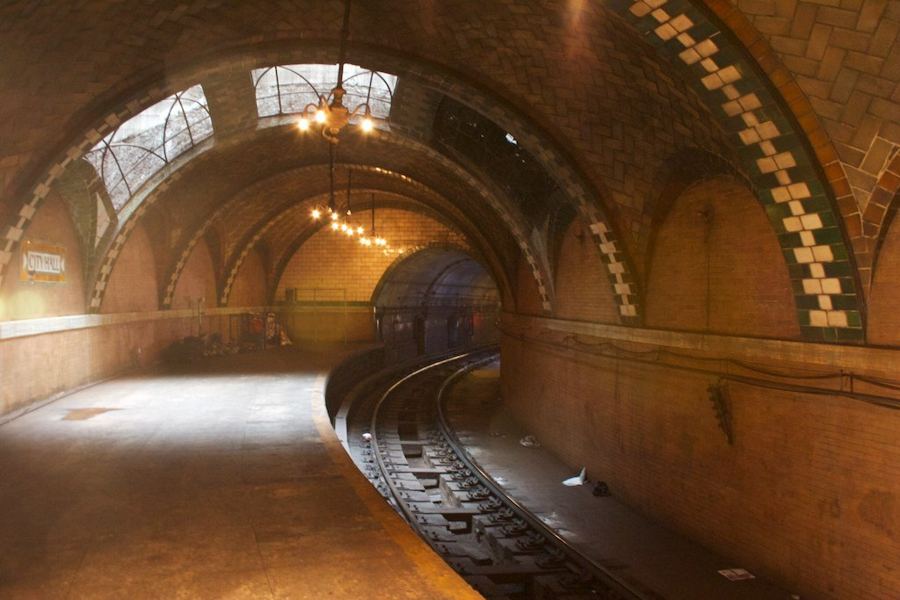
The line's showpiece, City Hall station, closed at the end of 1945 because its short, curved platform couldn't fit longer trains. It's still there, with its Guastavino tile vaults, brass chandeliers and skylights, and the downtown 6 train still turns around through it.
Take the 6 downtown to Brooklyn Bridge–City Hall, the last stop. Riders are officially meant to leave there, but people are generally allowed to stay aboard for the loop; sit on the right side and watch the old platform slide past. If the crew asks you to get off, get off, and simply board the next uptown 6 instead. (For the full story of the station, see our New York secrets in plain sight.)
2. Two ghost stations on the way uptown
Ride the 6 uptown and keep your eyes on the windows. Just after the train leaves Brooklyn Bridge, you pass the dark platforms of Worth Street, an original 1904 station closed in 1962; on a slow train you can sometimes spot a terra-cotta "W" on the walls.
Farther up, between 14th Street–Union Square and 23rd Street, look for 18th Street, another of the 1904 originals. It closed in 1948 after the stations on either side were lengthened, and today it's a long, graffiti-covered blur in the dark.
3. Astor Place's beavers
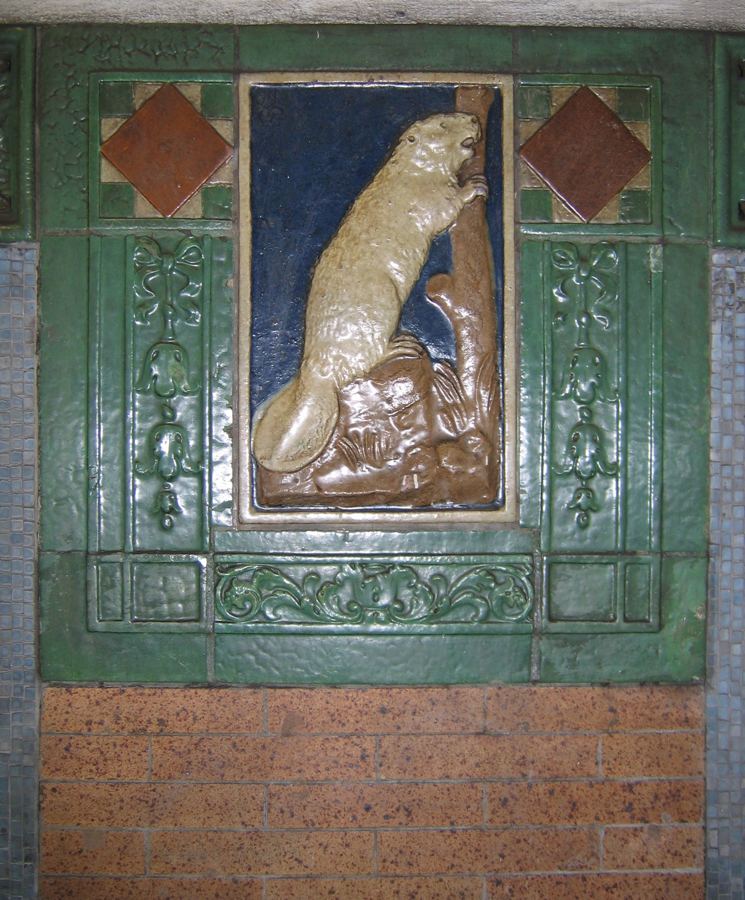
Get off at Astor Place, one of the original stations, and look at the walls. The architects Heins & LaFarge gave many of the first stations their own ceramic emblems, and here they chose a beaver, for John Jacob Astor, whose fortune began in the fur trade. The plaques were made in Boston by the Grueby Faience Company.
It's a good reminder of what the first subway was trying to be: not just a railroad but a civic building, with tile, mosaics and craftsmanship meant to make a nickel ride feel grand. Hop back on the next uptown 6.
4. Grand Central, then the turn
At Grand Central, leave the 6 and follow the signs for the Shuttle. You're now on the original 1904 route: the first subway didn't continue up Lexington Avenue but turned west here, under 42nd Street. When the Lexington Avenue line opened in 1918, this stretch was cut off and became the Shuttle.
The Shuttle's Grand Central platform is the original 1904 station, rebuilt, and the short ride across to Times Square runs on the first subway's tracks. It's the oldest commute in the city, and it takes about two minutes.
5. Up Broadway on the 1
At Times Square, transfer to an uptown 1 train, the local. You're back on the original line, and from here it runs almost exactly as it did in 1904, under Broadway all the way north.
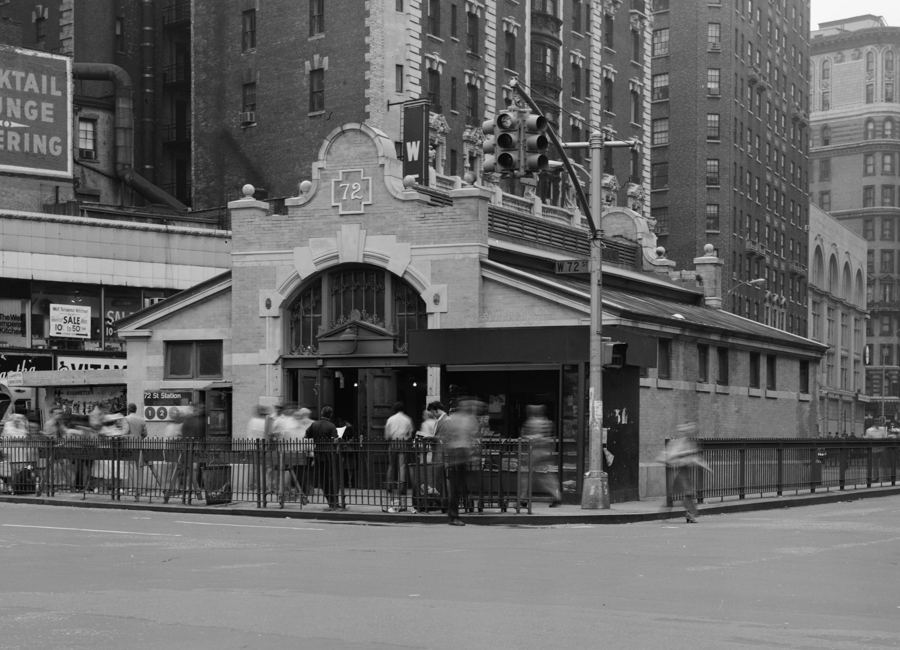
At 59th Street–Columbus Circle, look for the faience plaques of a sailing ship, Columbus's flagship. At 72nd Street, step up to the street for a minute: the little brick-and-limestone station house south of 72nd is one of the few surviving 1904 entrance pavilions by Heins & LaFarge, landmarked in 1979.
Back on the 1, watch the windows between 86th and 96th Streets for one more ghost: 91st Street, an original station closed in 1959 when the 96th Street platforms were lengthened.
6. The end of the line, 1904 edition
Stay on to 145th Street, where the first subway ended. McClellan's opening-day run from City Hall to 145th Street reportedly took 26 minutes; with your detours, yours will take a bit longer.
Come up into Hamilton Heights and walk a few blocks to Hamilton Grange, Alexander Hamilton's country house, a fitting place to end a ride through the city's first great piece of infrastructure.
Good to know
The whole route costs one fare: the transfers from the 6 to the Shuttle at Grand Central and from the Shuttle to the 1 at Times Square are free inside the stations, as long as you don't exit. Stepping out at Astor Place or 72nd Street means paying again, so tap with OMNY and the fare cap will take care of a busy week.
Go on a weekday between rush hours, when the trains are emptier and the ghost stations easier to see. The Shuttle doesn't run late at night. And to go deeper, the New York Transit Museum in Brooklyn is housed in a 1936 subway station and runs vintage trains on special dates through the year.
Details checked against official sources on October 23, 2026. Hours and prices change — confirm with the official site before you go.
More like this
Get the Lovely Letter
A free weekly letter: new restaurants and bars, the week's concerts and events, and one lovely day in New York.
Keep reading
All stories →